Aho: Meaning, Origins, and Its Ritual Significance
14. 02. 2026 · ritual-language lakota-tradition plant-medicine shamanism sacred-words spiritual-symbolism spirituality
 In many contemporary spiritual and ceremonial spaces, you may hear a
single word spoken at the end of a prayer, intention, or expression of
gratitude: "Aho!"
In many contemporary spiritual and ceremonial spaces, you may hear a
single word spoken at the end of a prayer, intention, or expression of
gratitude: "Aho!"
It lands like a period at the end of a sacred sentence. Simple. Grounded. Final. But where does this word come from? And what does it truly mean within a ritual context?
The Linguistic Roots of "Aho"
The word "Aho" is most commonly associated with the language of the Lakota people, one of the Indigenous nations of North America.
In Lakota usage (often spelled "Háu" or pronounced slightly differently depending on dialect), the term functions as:
- An affirmation
- A statement of agreement
- A confirmation that something spoken is true
It can be understood as:
- "Yes."
- "I acknowledge this."
- "It is so."
In traditional contexts, it serves as a respectful verbal seal --- a way of affirming the truth or power of words that have just been spoken.
It is not originally a mystical mantra. It is a relational word --- a word of agreement and presence.
How "Aho" Entered Modern Ceremony
In contemporary psychedelic and neo-shamanic circles --- particularly those involving ayahuasca or San Pedro (Huachuma) --- "Aho" is often used as a ritual closure.
Instead, its presence in modern ceremonies reflects a blending of Indigenous North American symbolism with Amazonian and Andean plant traditions. This mixing of traditions emerged primarily through global spiritual movements of the late 20th century.
Over time, "Aho" became adopted as a universal sacred affirmation.
Ritual Function: Why It Feels Powerful
Even beyond its linguistic origin, "Aho" carries ritual potency for several reasons:
1. Closure and Completion
Ritual language often needs a clear endpoint. "Aho" acts like a spiritual punctuation mark. It signals: the intention is set, the prayer is released.
2. Collective Alignment
When spoken in a circle, especially in unison, it creates resonance. The group affirms together. It transforms individual intention into shared field.
3. Embodied Agreement
Saying "Aho" is not just mental --- it is physical. The breath drops. The voice grounds. It is an embodied "yes."
In altered states of consciousness --- such as during ayahuasca or San Pedro ceremonies --- this embodied affirmation can feel amplified. The word becomes less about semantics and more about energetic alignment.
Symbolic Meaning Today
In modern ritual spaces, "Aho" is often used to mean:
- "So it is."
- "May it be so."
- "I receive."
- "I agree."
- "Thank you."
- "It is done."
It functions similarly to:
- "Amen" in Christian traditions
- "Om" in certain Indic spiritual practices
But unlike those terms, "Aho" was not originally intended as a universal sacred syllable. Its spiritualization is largely contemporary.
Cultural Awareness and Respect
It is important to acknowledge that for the Lakota and other Indigenous North American nations, this word belongs to a living cultural and spiritual tradition.
Using it casually or outside context can unintentionally detach it from its roots. Some Indigenous voices have expressed concern about the broader appropriation of their ceremonial language in global spiritual culture.
That does not mean it cannot be spoken --- but awareness matters.
The Deeper Ritual Meaning
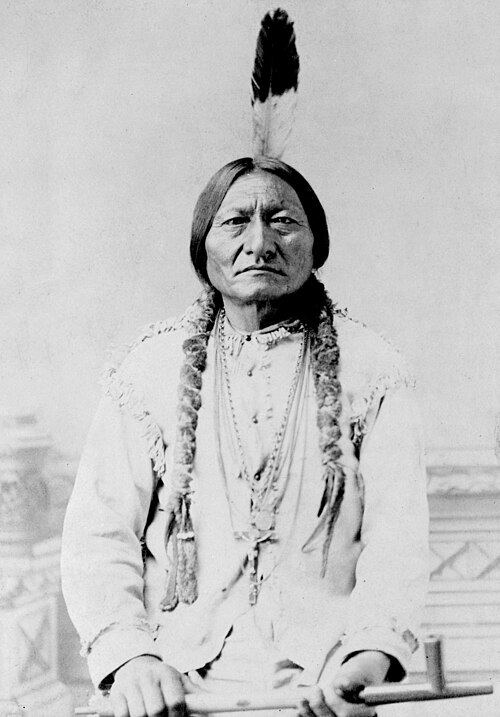 At its core, "Aho" represents something simple and ancient:
Acknowledgment.
To say "Aho" is to stand in alignment with what has been spoken. It is an act of presence.
In ritual, that presence is everything.
The word does not create power --- it confirms your soul and your power.
It does not invoke mystery --- it seals intention.
In that sense, "Aho" is less about mysticism and more about integrity.
You speak. You mean it. You affirm it.
Aho!
Sources: